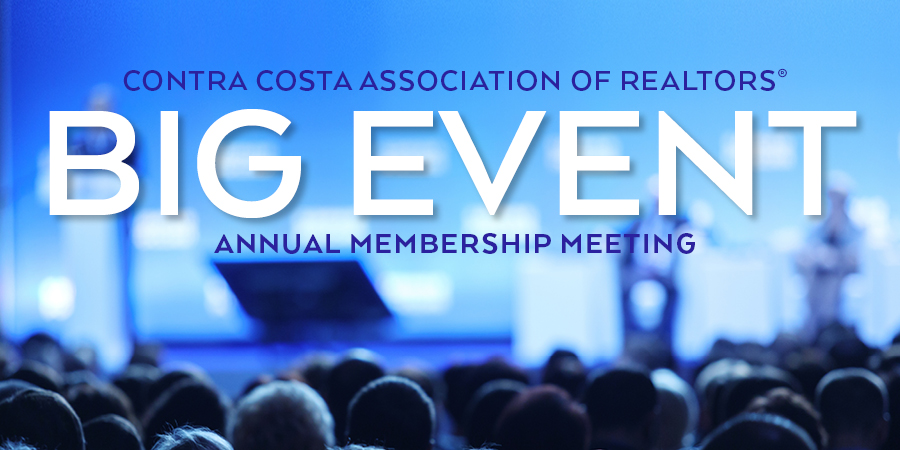
• Big Event Annual Membership Meeting – Next Wed, Oct 28
• General Election Member Resources
• CCAR Award Nominations Due Nov. 9
• 2027 CCAR Inaugural Dinner & Dance – Jan. 9
• Join a 2027 CCAR Committee
• Latest News on Prop 37
• WCR Installation – Oct. 23
• IDX Website + 10 Lead Generation Tools – Next Tue, Oct. 27

All laptops purchased through CCAR include a 2-year warranty, data transfer, and Real Estate setup.


“I’m truly honored to serve as your 2027 CCAR President, and I’d like to personally invite you to our 2027 Inaugural Dinner & Awards Celebration on Saturday, January 9, 2027, from 6:00–10:00pm at the Blackhawk Museum!
This year’s theme, “There’s No Place Like Home,” celebrates what makes CCAR so extraordinary: the people, relationships, and shared commitment to supporting homeownership in our communities. Together, we’ll recognize our outstanding award recipients, officially install our 2027 Board of Directors and Officers, and look ahead to an exciting year filled with new opportunities.
I hope you’ll join me for an unforgettable evening as we celebrate our achievements, embrace new leadership, and honor the heart, knowledge, and courage that make CCAR a place we’re proud to call home. Bring your dancing shoes, we’ll keep the celebration going on the dance floor as we step into 2027 together. I can’t wait to celebrate with you!“
 With gratitude,
Donna Souza
2027 CCAR President


Nov. 3 General Election: Candidates, Measures & Voting Resources
The November 3, 2026 General Election is an important opportunity to help shape representation and policy at the federal, state, county, and local levels. Ballots have been mailed to registered Contra Costa voters. You can track yours through Where’s My Ballot? or find your polling place here.
To help members and residents prepare, CCAR has compiled an election guide with essential voting information, key dates, candidate listings, and summaries of local and statewide ballot measures, including CCAR and C.A.R. positions on select candidates and measures.
Whether voting by mail, returning a ballot in person, or heading to the polls on Election Day, this guide is designed to help you understand what’s on the ballot and participate with confidence.

Recognize Excellence:
CCAR Award Nominations Due Nov. 9
Every year CCAR honors distinguished members with awards for their outstanding service to the industry, association and community. Recipients are nominated by fellow members and executives, then confirmed by the Board of Directors. Awards will be presented at CCAR’s annual inaugural event on January 9th.
2025 Recipients:
REALTOR® of the Year:
Marilyn Cunningham
Affiliates of the Year:
Jennifer Britton
Annette Khaliq
President’s Community Service Award:
Cathy Lee Cibelli
Emeritus Member:
Debi Mackey
REALTOR® of the Year Form >>
Affiliate of the Year Form >>
Community Service Award Form >>










 CCAR is proud to be a RESO Platinum Certified MLS, the highest level of certification available.